
The reference sensor for
snowdrift & blowing snow
FlowCapt FC4 is a fourth-generation acoustic instrument designed to measure drifting and blowing snow in alpine and polar climates. It delivers continuous snow mass flux and wind speed measurements, with no moving parts and ultra-low power consumption.
Ideal for avalanche forecasting, road safety, polar research and infrastructure protection.

- Acoustic tube technology – no optical path to obstruct.
- Resists riming, abrasion and long-term exposure.
- Designed for remote, low-power autonomous stations.
Purpose-built for snow transport measurement
Snowdrift and blowing snow represent major risks for mountain roads, infrastructure, airports and polar operations. Traditional anemometers and optical sensors are not designed to measure drifting snow particle flux and often fail in severe icing or low-visibility conditions.
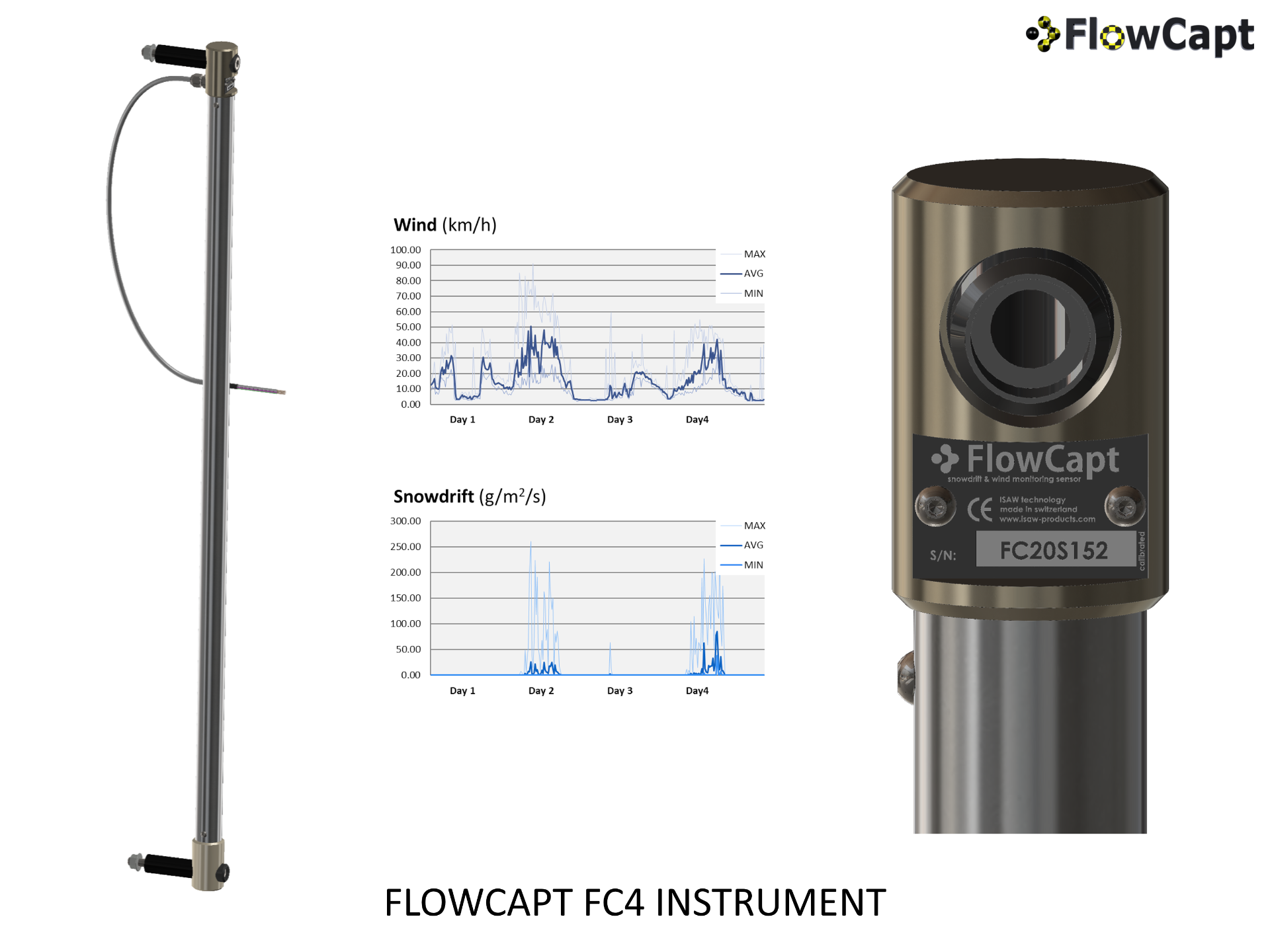
FlowCapt FC4 is specifically engineered to measure snow transport. A sealed acoustic tube detects both particle impacts and air friction, integrating transport over its full 1 meter length to provide a vertically averaged measurement of the drifting-snow layer. This approach goes beyond point measurements and is ideally suited for snow mass balance and wind-loading studies.
The instrument is designed for 24/7, year-round operation in harsh environments. Its very low power consumption simplifies deployment on remote automated weather stations, high-altitude networks, and polar observatories.
Why choose FlowCapt FC4
FlowCapt FC4 combines proven acoustic technology, robust mechanics and flexible connectivity to deliver reliable snowdrift monitoring in the most demanding sites.
Designed from the ground up for drifting and blowing snow measurements.
Measures snow mass flux and wind speed with two independent calibrated channels in a single, compact sensor body.
Fully sealed acoustic tube with no mechanical components to wear out, freeze or jam, keeping maintenance close to zero.
Resistant to icing, rime, abrasion and continuous exposure in alpine passes and polar plateaus, with a durable coated tube.
Very low average consumption and configurable acquisition cycles make the FC4 ideal for solar- or wind-powered autonomous networks.
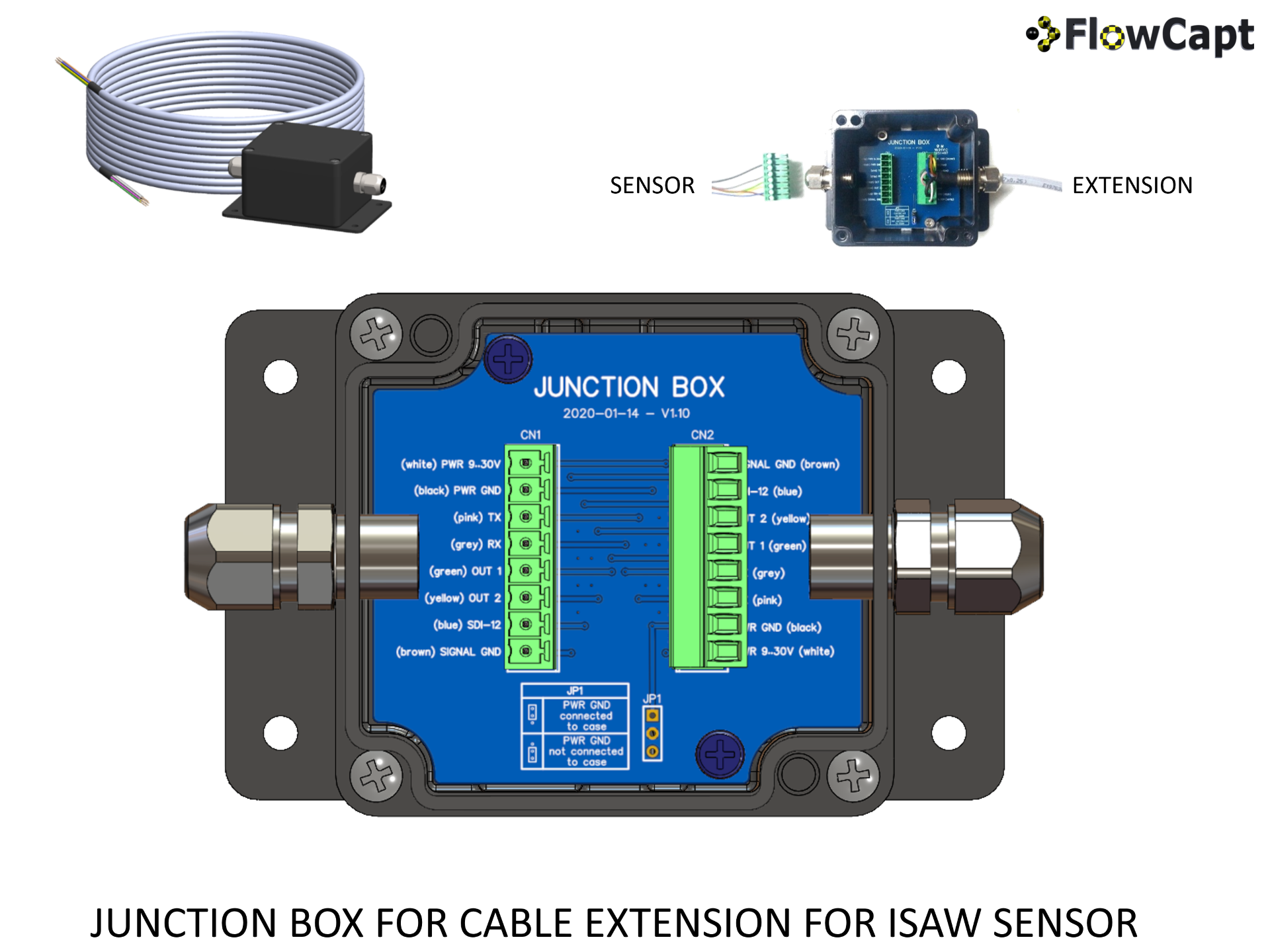
Analog outputs, SDI-12, RS-422/485 ASCII Modbus RTU, 4–20 mA and other interfaces ensure fast integration into SCADA, PLC, datalogger and any other systems.
Factory calibration coefficients and configuration are stored in non-volatile and retrievable memory for full traceability and plug-and-play replacement.
The 1 m tube provides integrated flux over height, capturing the effective drifting-snow layer rather than a single point in the flow.
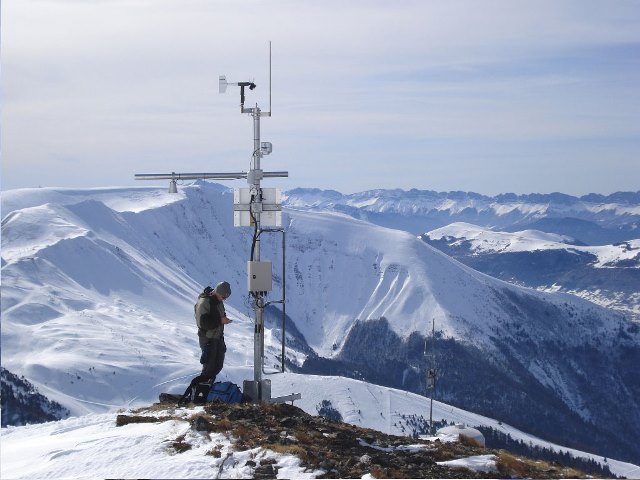
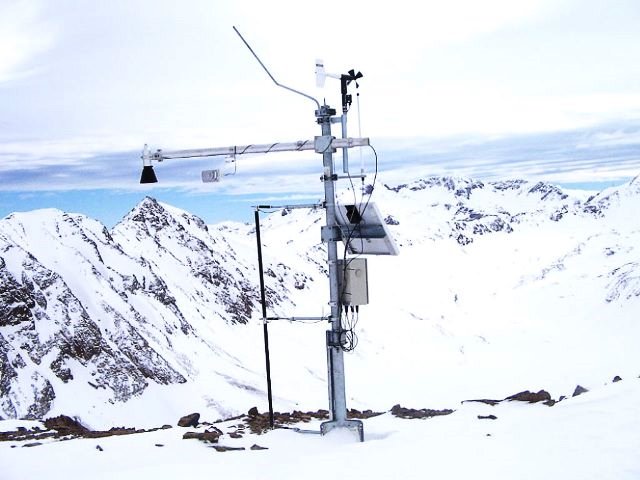
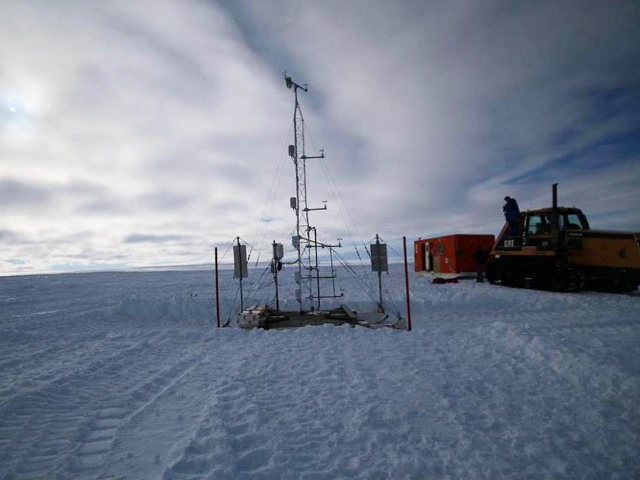
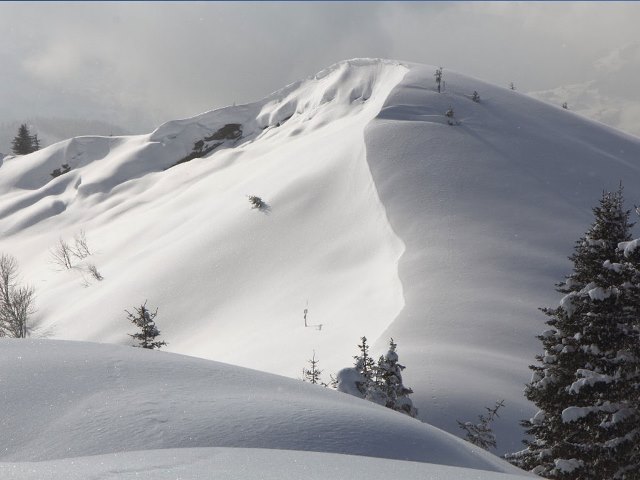
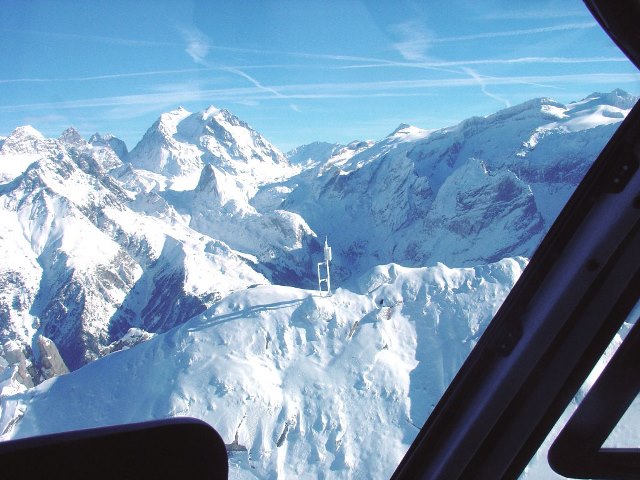
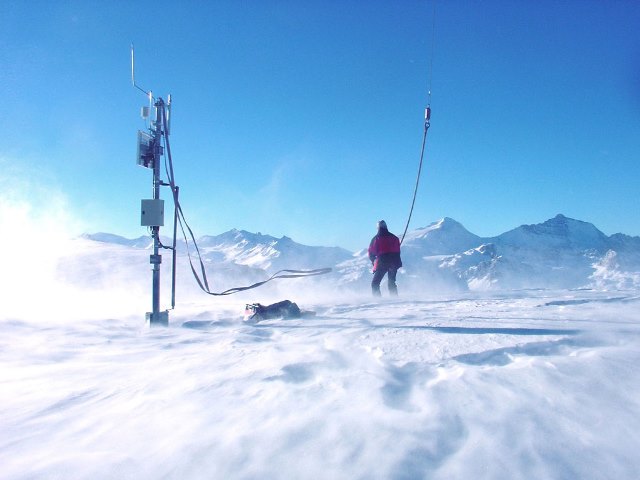
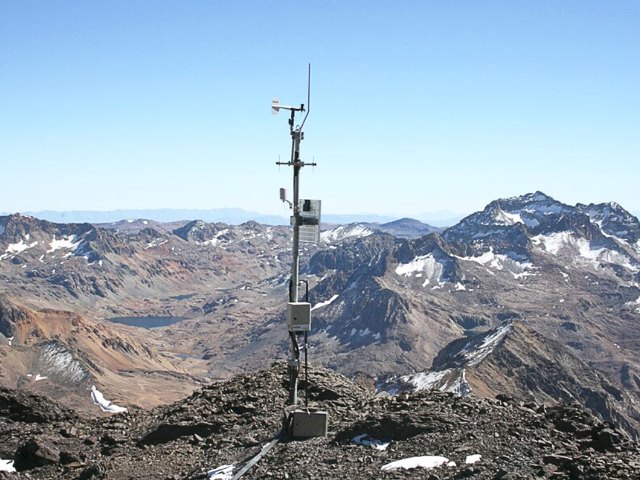
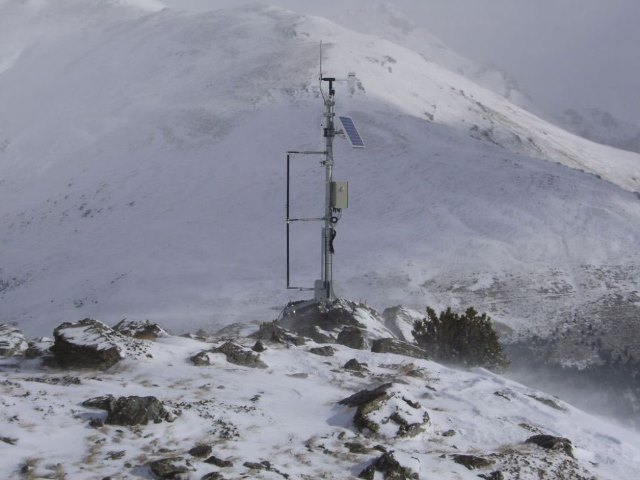
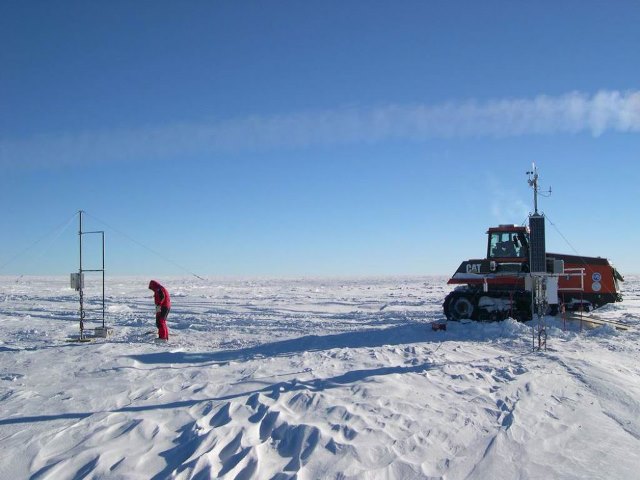
FlowCapt technology has been deployed for more than two decades in the Alps, the Arctic and Antarctica in operational and research networks.
Applications
FlowCapt FC4 supports operational monitoring and scientific research wherever wind-driven snow is a key risk or process.
Avalanche forecasting & road safety
Monitor drifting snow events, wind loading and slab formation along mountain roads, passes and avalanche paths. FC4 data supports operational decision-making for road closures, artificial releases and risk communication.
Meteorology & hydrology
Quantify wind redistribution of the snowpack and improve snow accumulation and melt models. FlowCapt FC4 complements snow-depth and solid-precipitation measurements in high-mountain catchments.
Cryosphere & polar research
Capture blowing-snow events, sublimation and surface mass balance in Antarctica, Greenland and Arctic stations with a robust, low-power instrument suited to winter darkness and extreme storms.
Infrastructure protection
Monitor drifting snow accumulation around critical infrastructure such as highways, railways, power lines, wind farms, pipelines and airports, where snow loading and visibility can impact operations.
Scientific & aeolian process studies
Use FlowCapt FC4 for experiments on snow transport physics, boundary-layer processes and model validation, supporting both research and operational developments.
Long-term monitoring networks
Deploy in national meteorological networks, high-altitude observatories and automated stations requiring reliable, unattended measurements of snow transport and near-surface wind.
Acoustic vibro-impact technology
FlowCapt FC4 uses a patented vibro-acoustic measurement principle. When drifting snow particles strike the coated aluminum tube, they generate structure-borne waves inside a sealed cavity. An acoustic transducer converts these waves into an electrical signal that is proportional to the particle mass flux.
In parallel, a dedicated signal path analyzes the laminar air friction around the tube to determine wind speed. The instrument electronics separate the particle impact signal from pure wind excitation, providing two independent calibrated outputs: snow mass flux and wind velocity.
- Snow particles impact the coated tube surface.
- Impacts generate acoustic and vibrational energy.
- A transducer converts this energy into electrical signals related to snow flux.
- A separate analysis path extracts the wind component from air friction.
- Filtered and calibrated signals are output as flux and wind measurements.
- Vertically integrated flux measurement along the full tube.
- High detection efficiency for relevant particle sizes.
- Unaffected by visibility, darkness or blowing snow density.
- Performance maintained during icing, rime and extreme wind.
- No moving parts, no optical windows to clean or de-ice.
Technical highlights
The following overview summarizes typical FlowCapt FC4 capabilities. Detailed specifications are available in the full technical notice.
Measured parameters
- Snow mass flux (g/m²/s)
- Blowing & drifting snow intensity
- Wind speed (km/h or m/s)
- Separate channels for flux and wind
Performance
- Typical full scale 0–250 g/m²/s
- Wind up to 250 km/h
- High sensitivity for saltating particles
- Laboratory and field validation against reference methods
Outputs & interfaces
- Analog 0–2.5 V or 0–5 V
- SDI-12 digital output
- RS-422/RS-485 ASCII
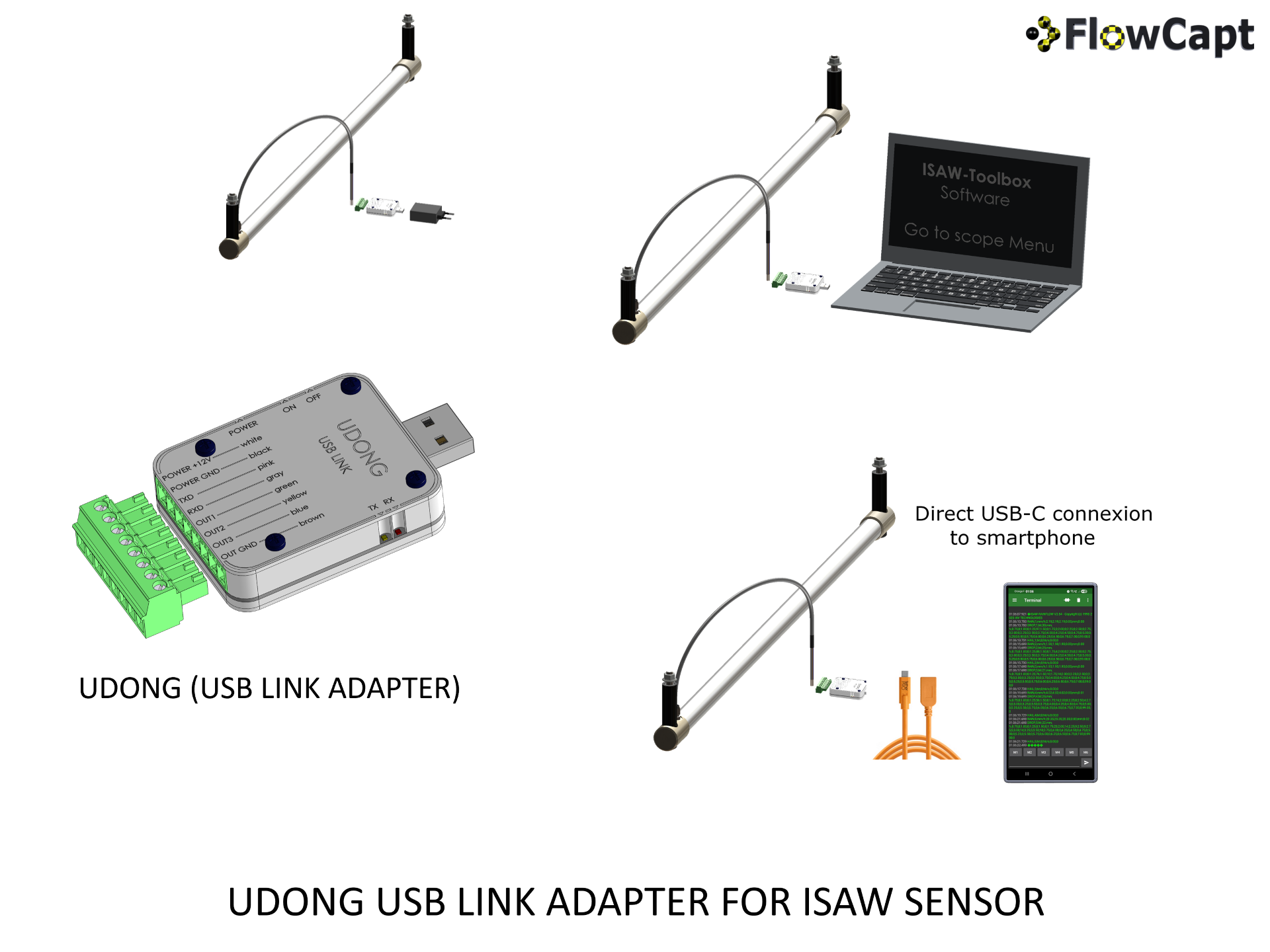
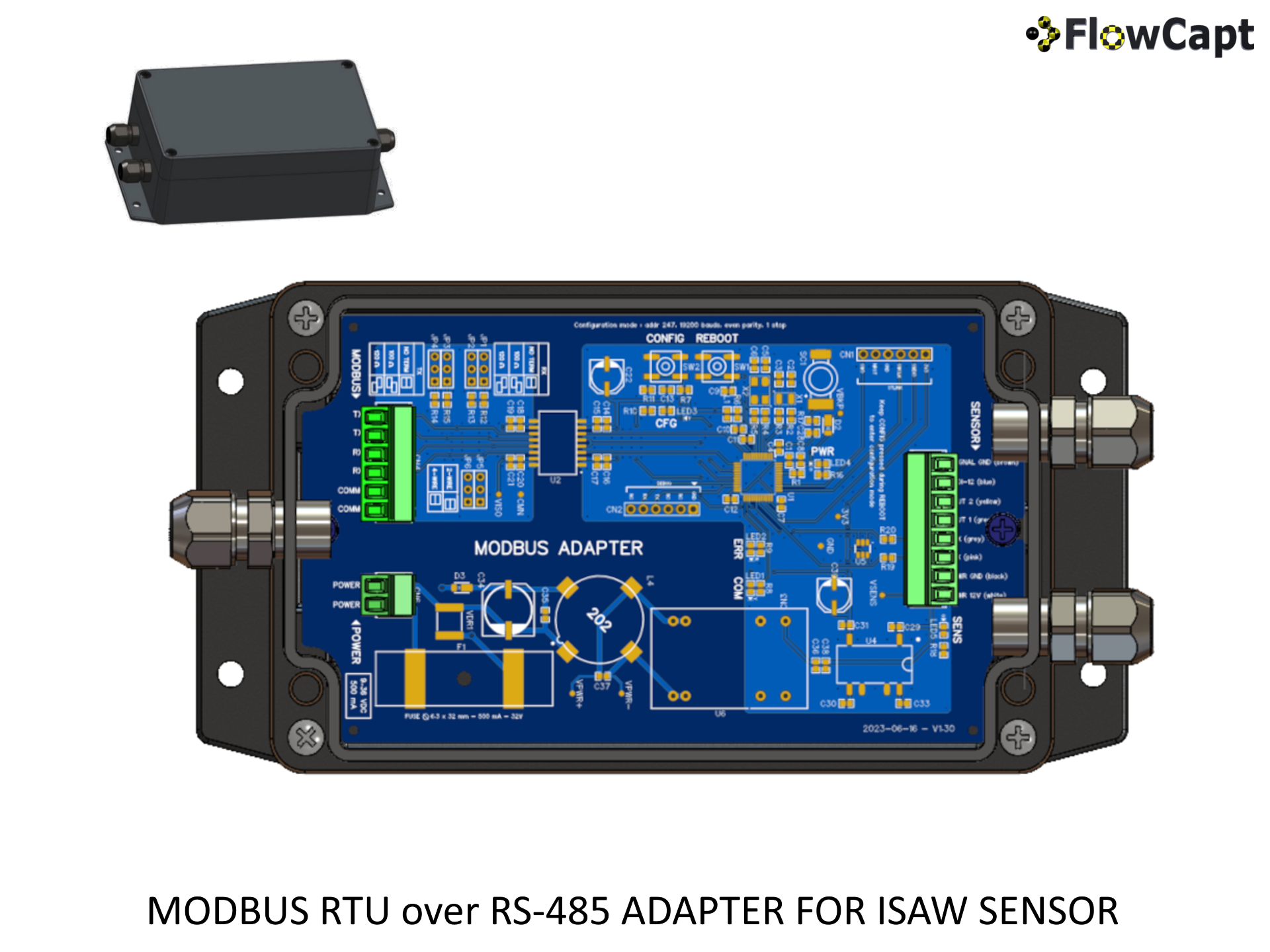
- Modbus RTU via adapter (MOBUS)
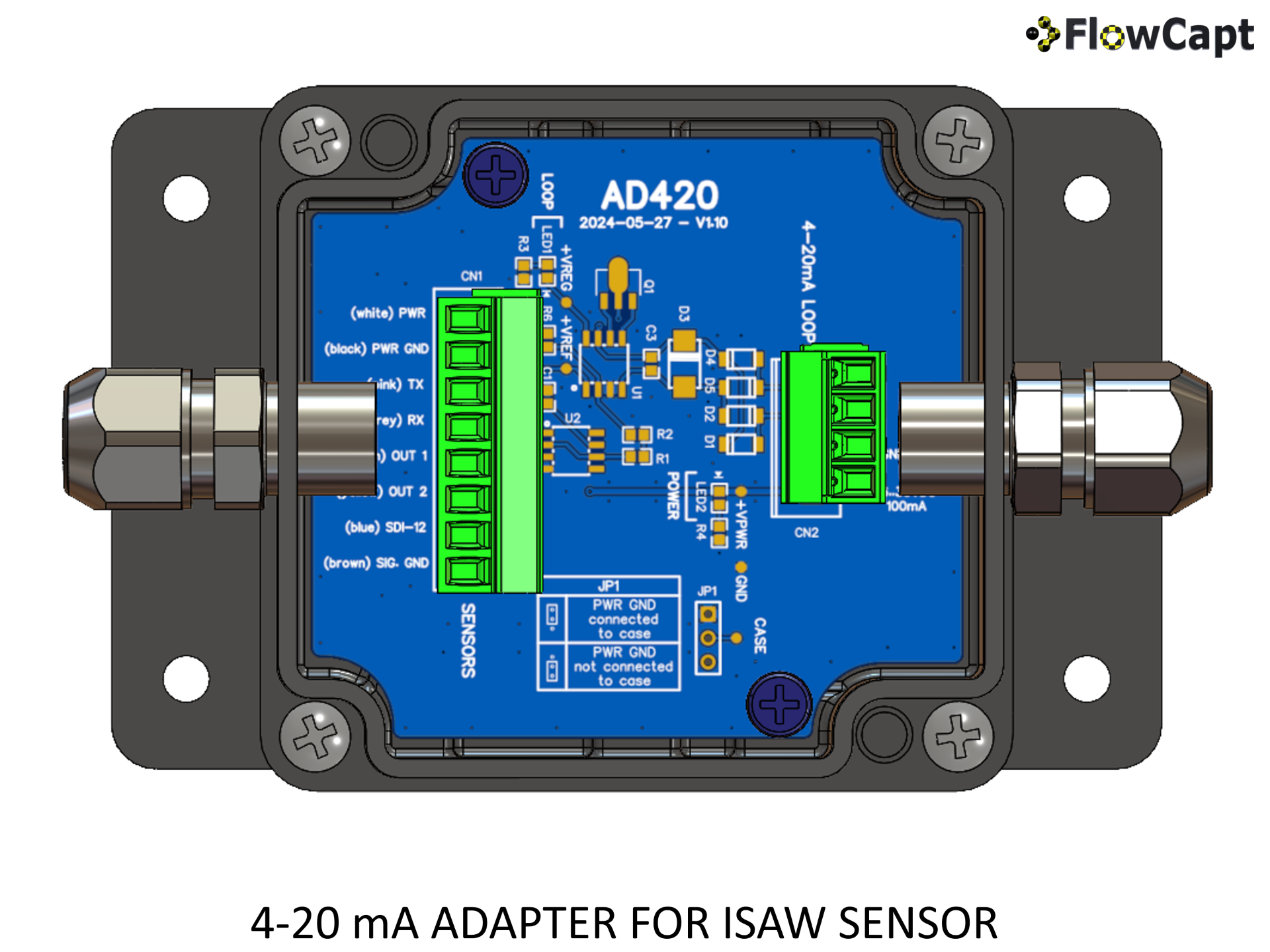
- 4–20 mA via adapter (AD420)
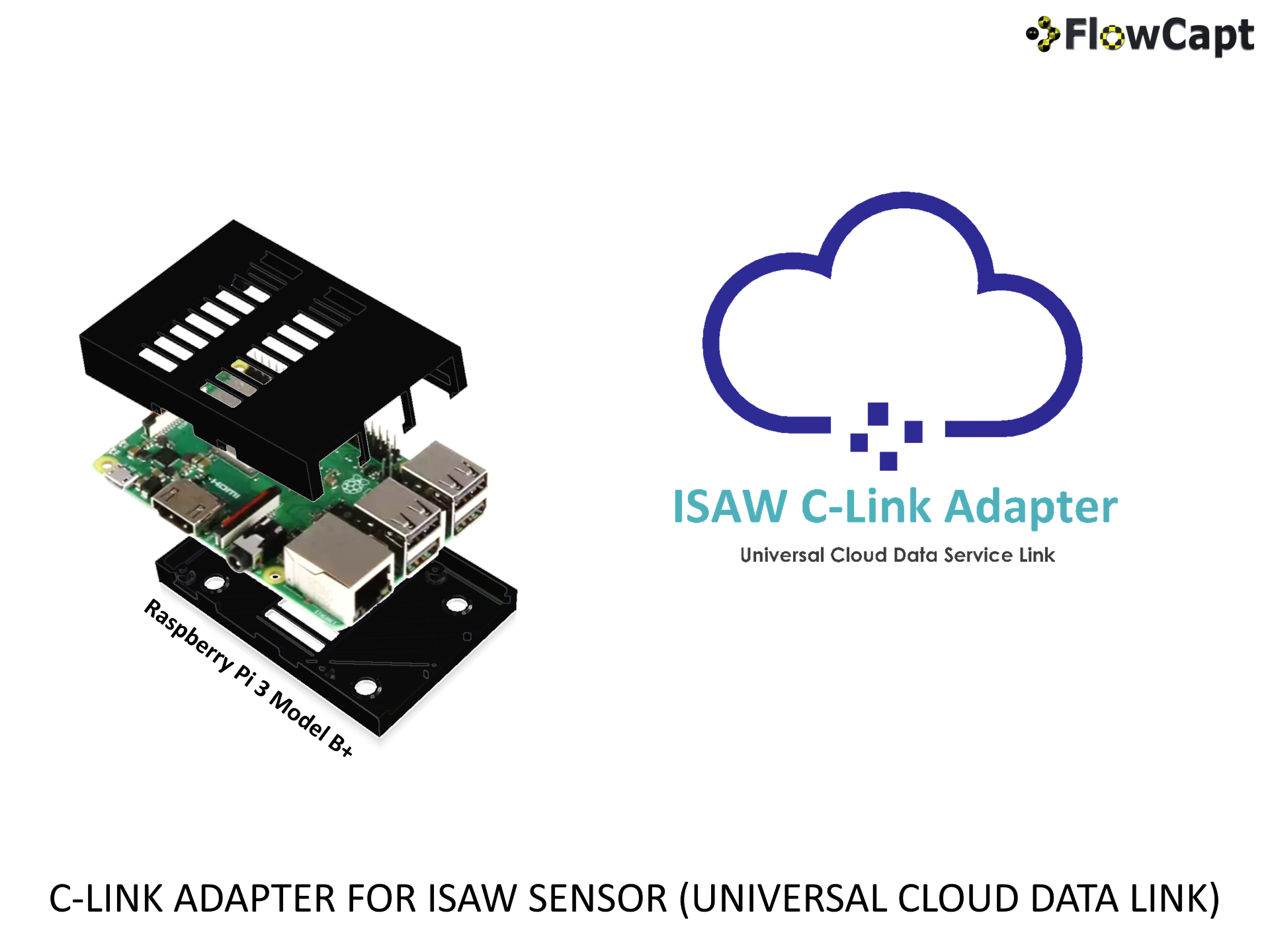
- Cloud Data Link interf. (C-LINK)
Power & mechanics
- Very low average power consumption
- Configurable acquisition cycles (A–C–M)
- Standard 1 m coated aluminum tube
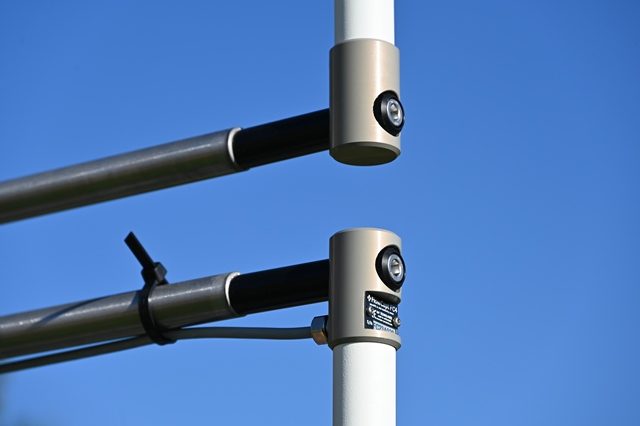
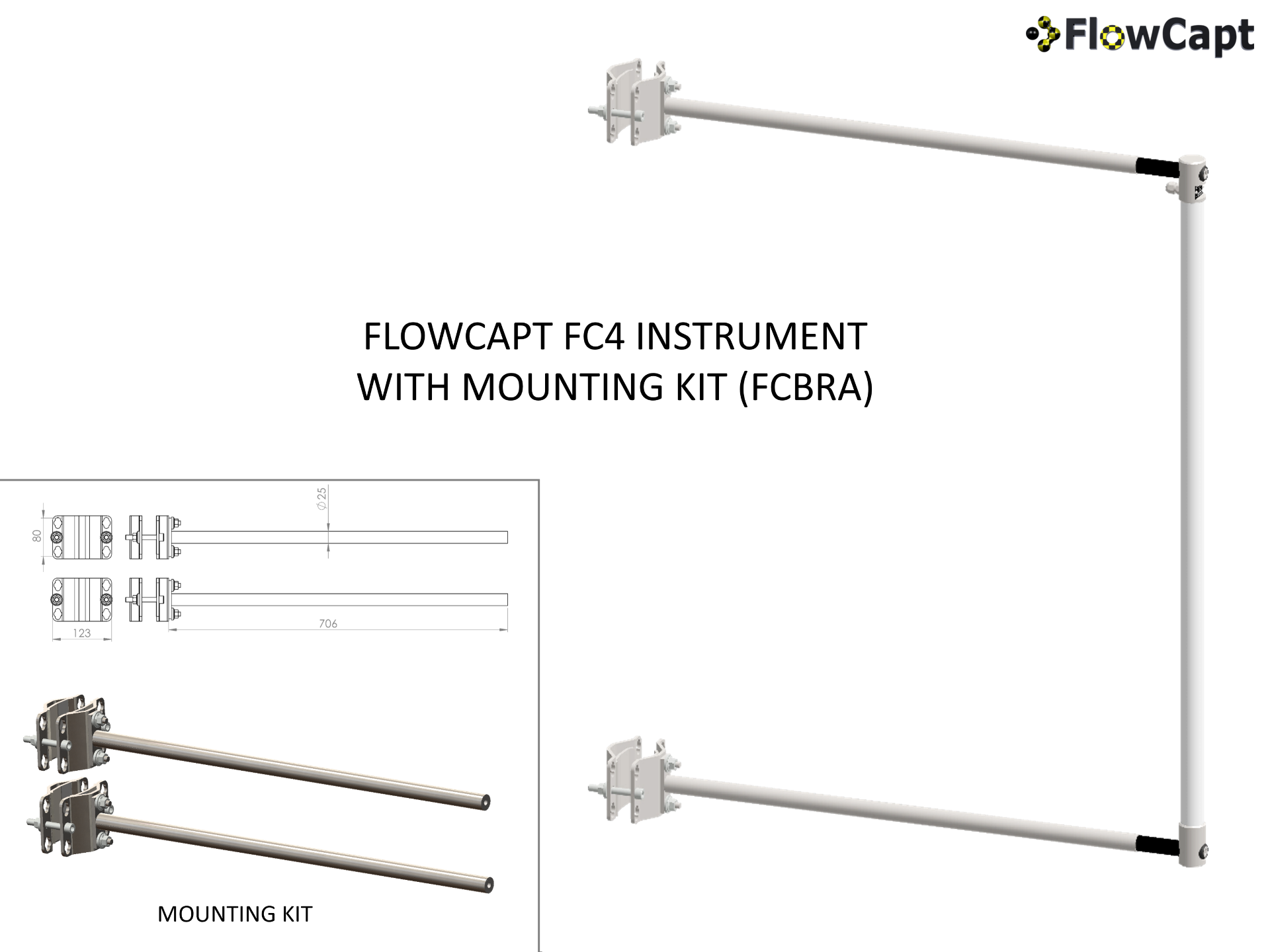
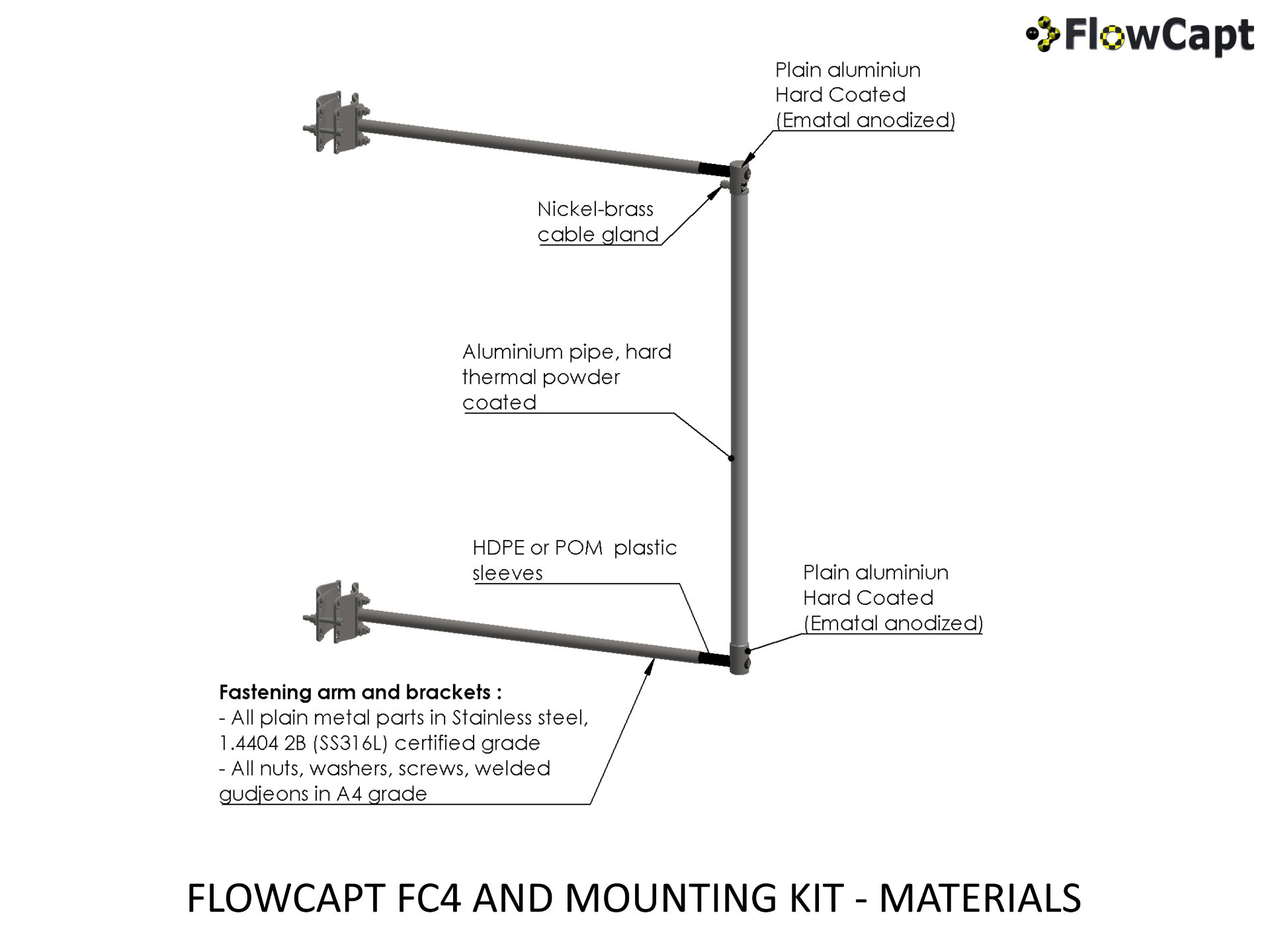
- Stainless steel arms, sealed electronics
- Variants and custom options on request
WMO conformity
FlowCapt FC4 follows the World Meteorological Organization (WMO) guidance for measuring solid precipitation, blowing snow and near-surface wind. The instrument design is aligned with WMO-No. 8 (Guide to Instruments and Methods of Observation) and responds to the robustness and icing-resistance expectations of CIMO/SPICE intercomparisons. Calibration traceability follows WMO-No. 49 recommendations, and digital outputs are compatible with BUFR data formats as described in WMO-No. 306. FlowCapt FC4 is suitable for integration in operational meteorological and hydrological networks.
Field deployment & references
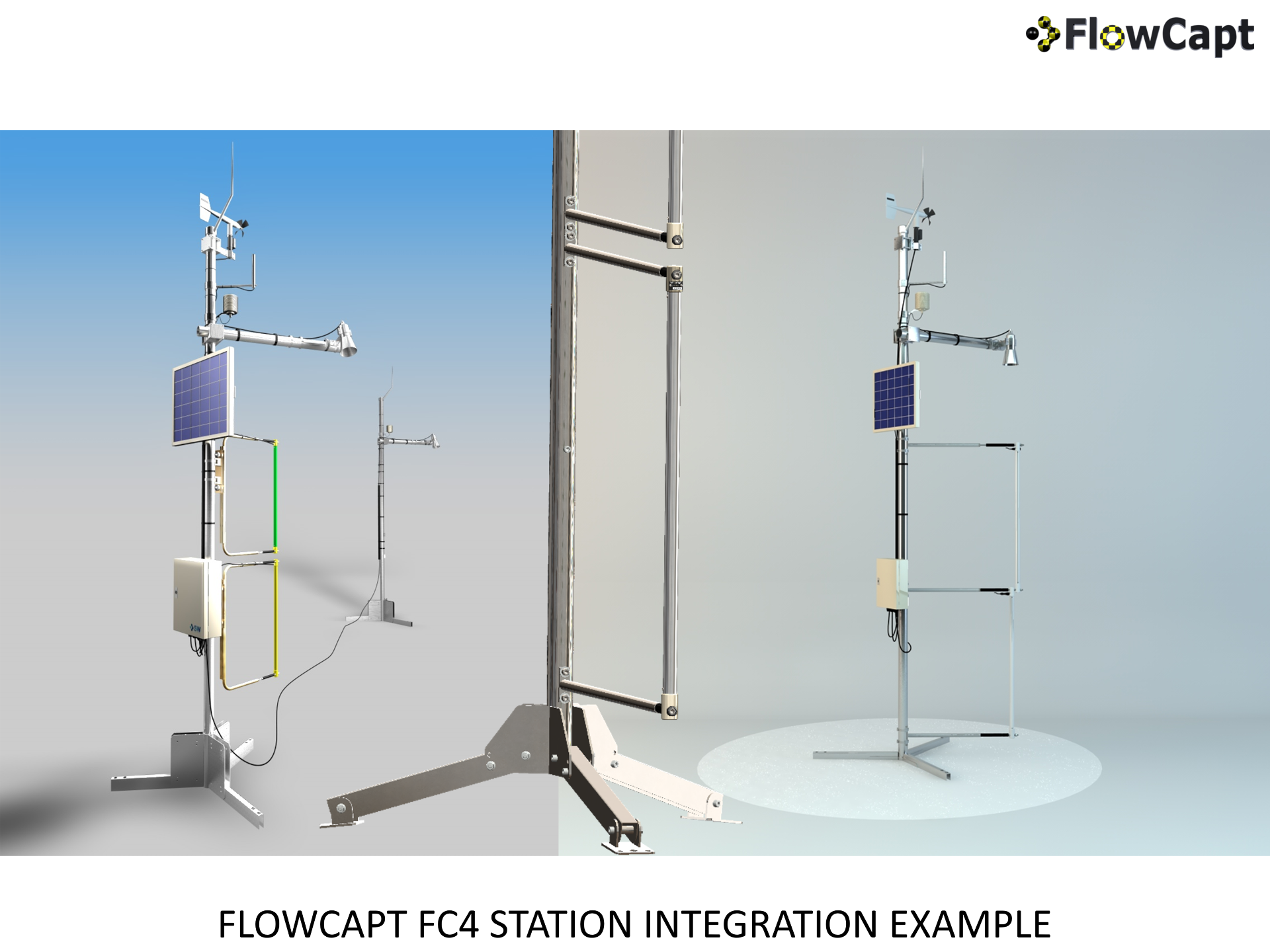
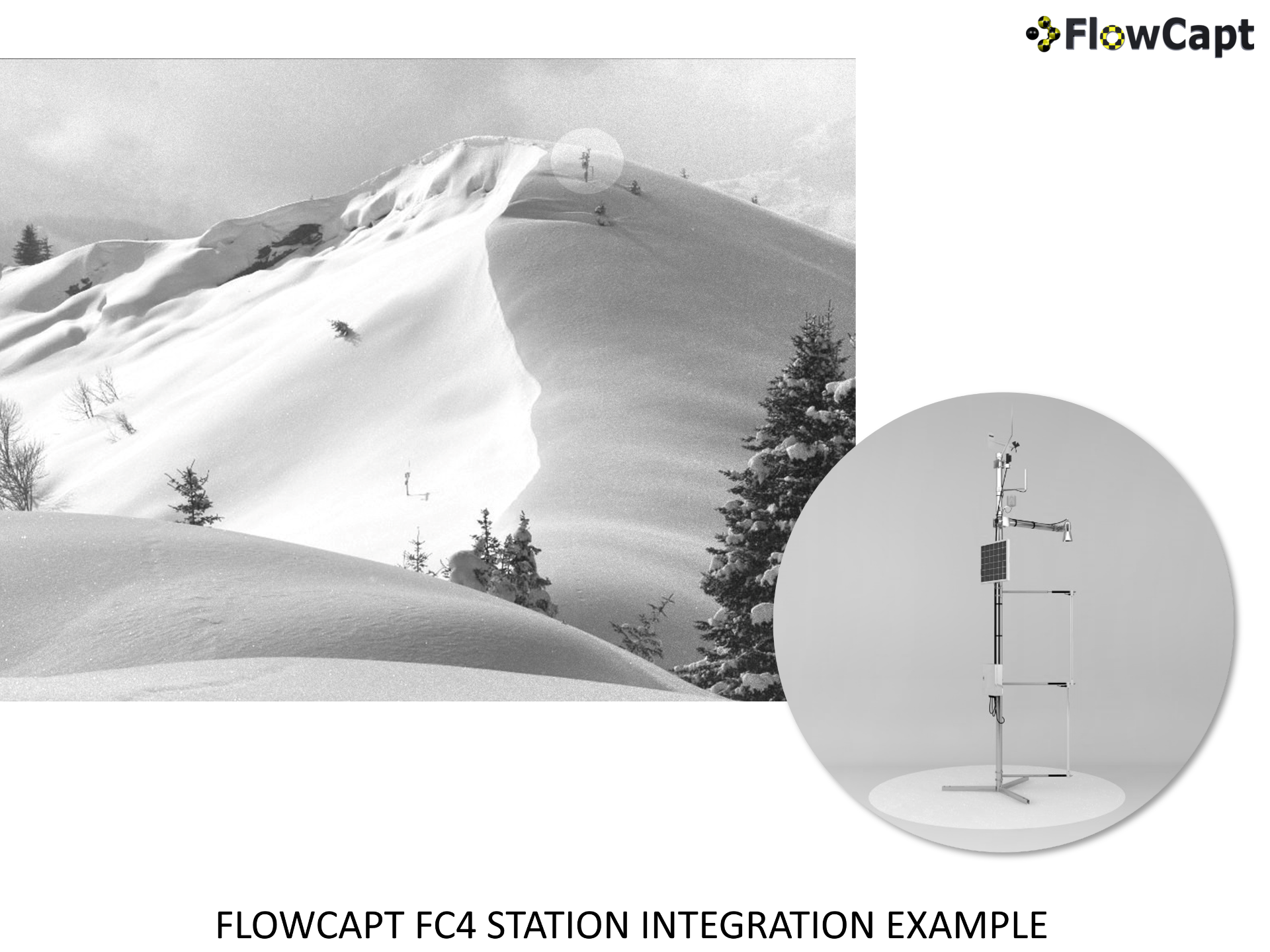
FlowCapt technology has been deployed over more than two decades in most major mountain ranges and polar regions. It has demonstrated reliable performance during extreme snowstorms and icing conditions where conventional sensors are often inoperative.
- Alps and European mountain networks for avalanche forecasting, motorway and pass monitoring.
- Scandinavia, Himalaya and other high-latitude or high-altitude regions for snowdrift studies.
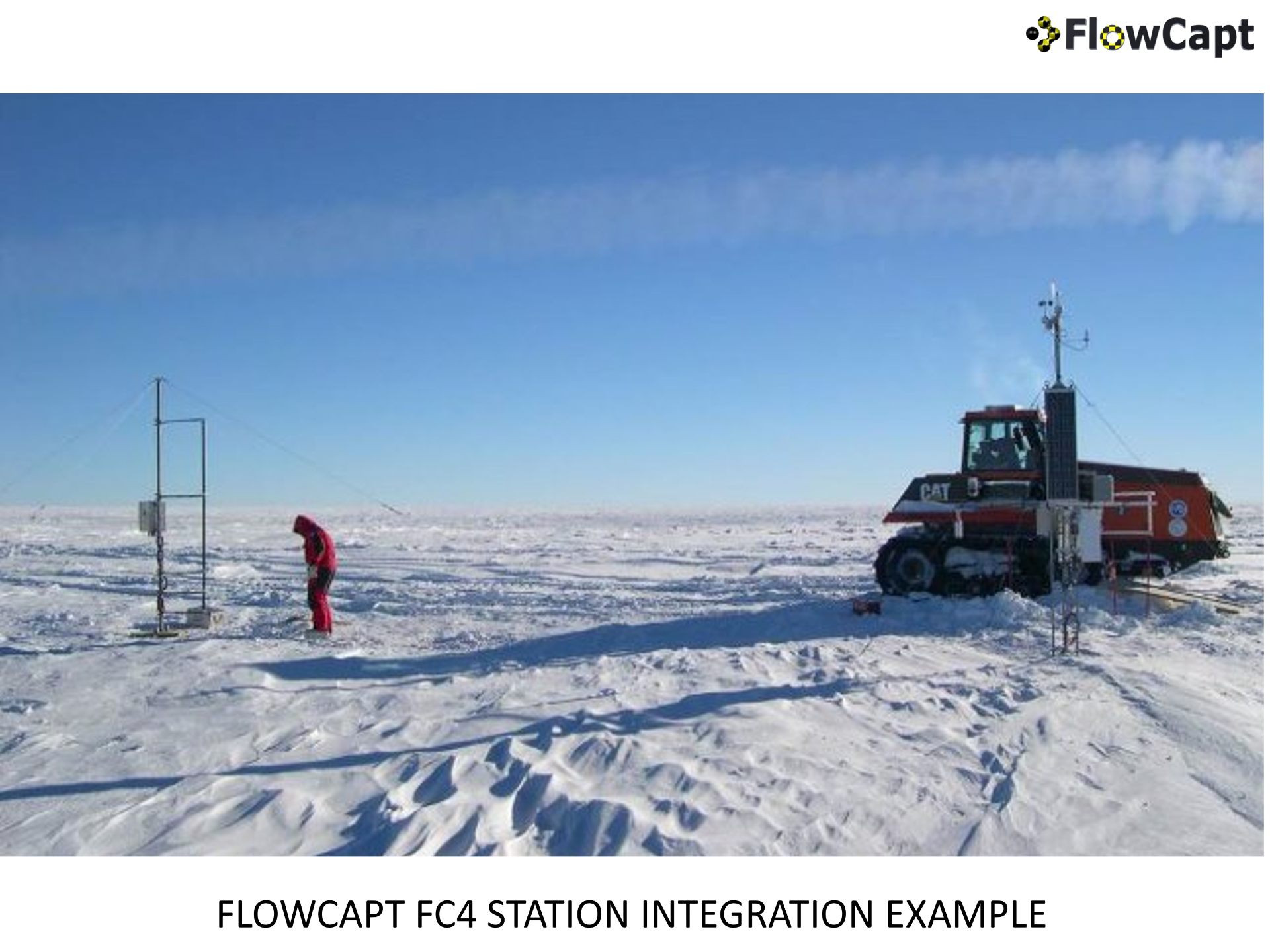
- Antarctic and Arctic observatories for long-term surface mass balance, blowing-snow climatologies and satellite product validation.
Product gallery
Talk to ISAW about your project
Ready to upgrade your snow monitoring network or deploy a new site? The ISAW team can assist with sensor configuration, system design, integration and inter-operability on all platforms and services.
Whether you are operating avalanche forecast centers, road-safety networks, polar research stations or industrial infrastructure, we can help you specify a robust, long-lived solution based on FlowCapt FC4 and complementary instruments.